Mission
As one of the oldest agricultural schools in Serbia, our mission is to give students of all programs modern knowledge of agriculture and food processing, quality practice for their future jobs, and preparation for further education and life.
One of the oldest agricultural schools in Serbia: from the 1904 farming school to today's school with a dormitory, 94 hectares of land and nine programs.
The school opened in 1904 by decision of the Ministry of National Economy of 24 June. The farming school was founded to give village boys modern agricultural knowledge to apply on their own farms. In its first year it enrolled 27 students.
Only farmers' sons aged 14 to 18, healthy, well-behaved and with primary school completed, who would inherit at least five hectares, were admitted. Since then the school has grown into a respected education centre.
Wars twice disrupted the school's development; both times it was left in ruins and started again. Neither that nor the difficult 1990s stopped it from becoming a modern centre for agricultural education.
Although its name changed over the years, its mission stayed the same. Today it trains agricultural, veterinary and food technicians, horticulturists, machinery operators, florists, bakers, dairy processors and butchers.
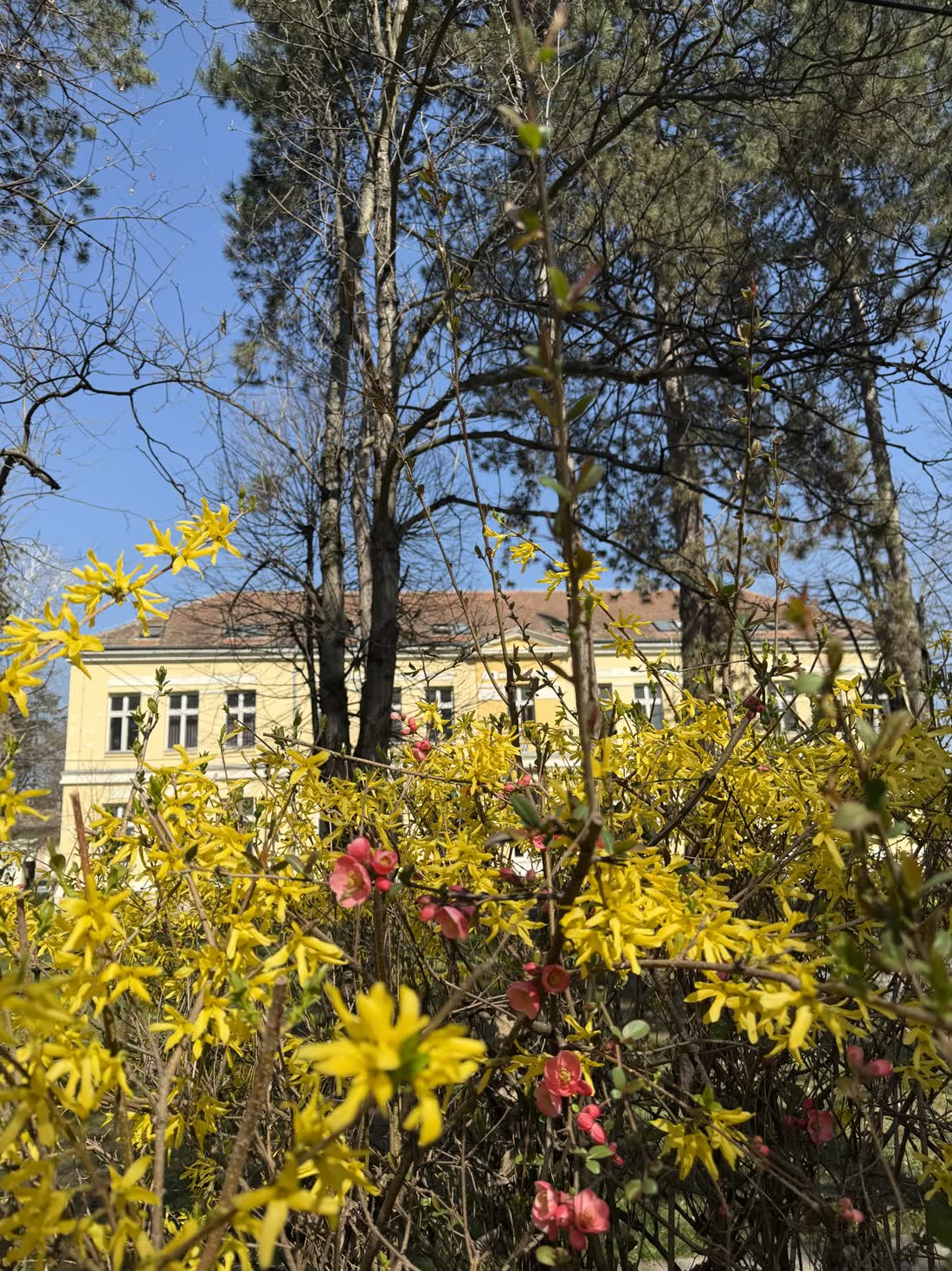
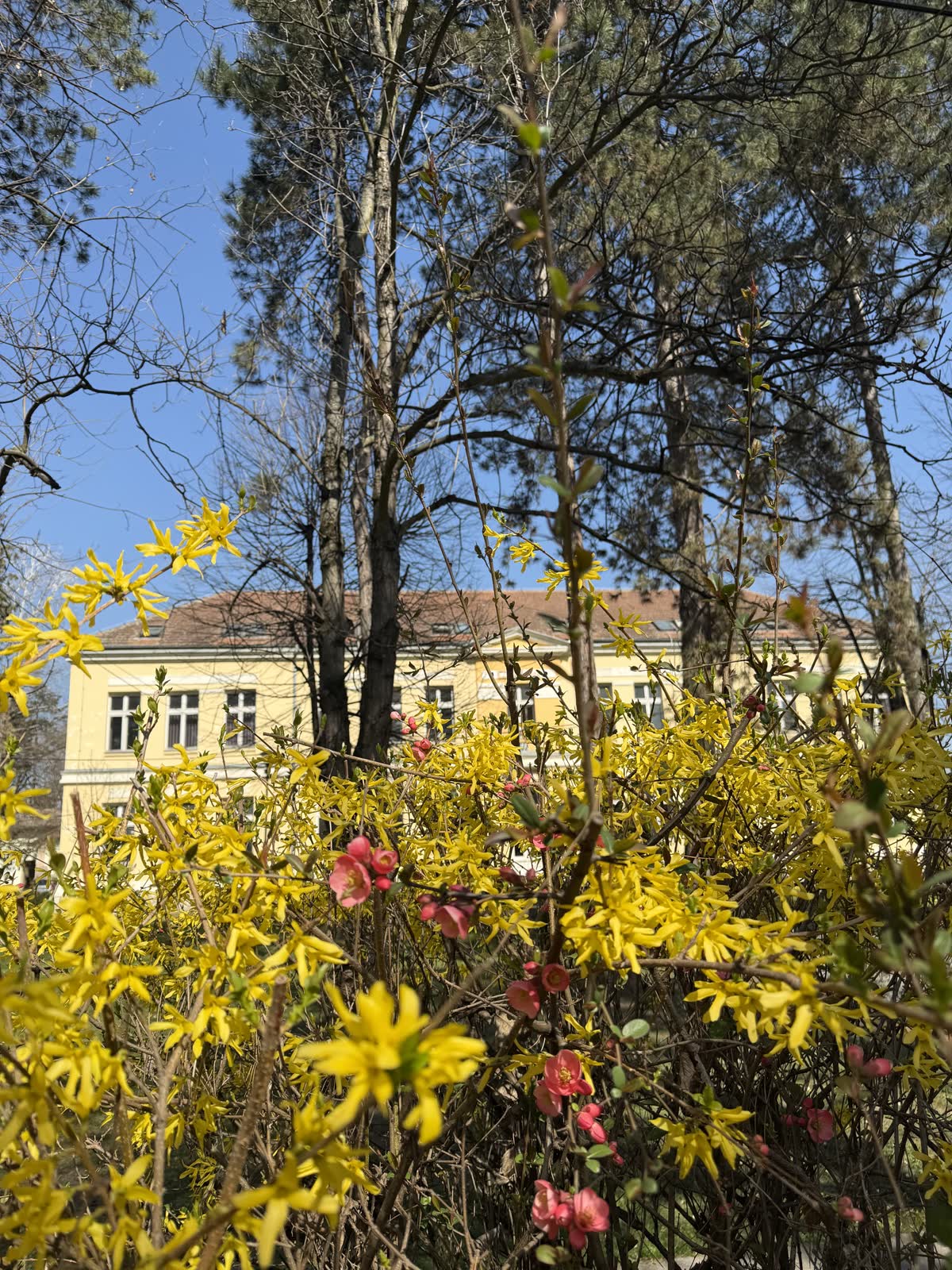
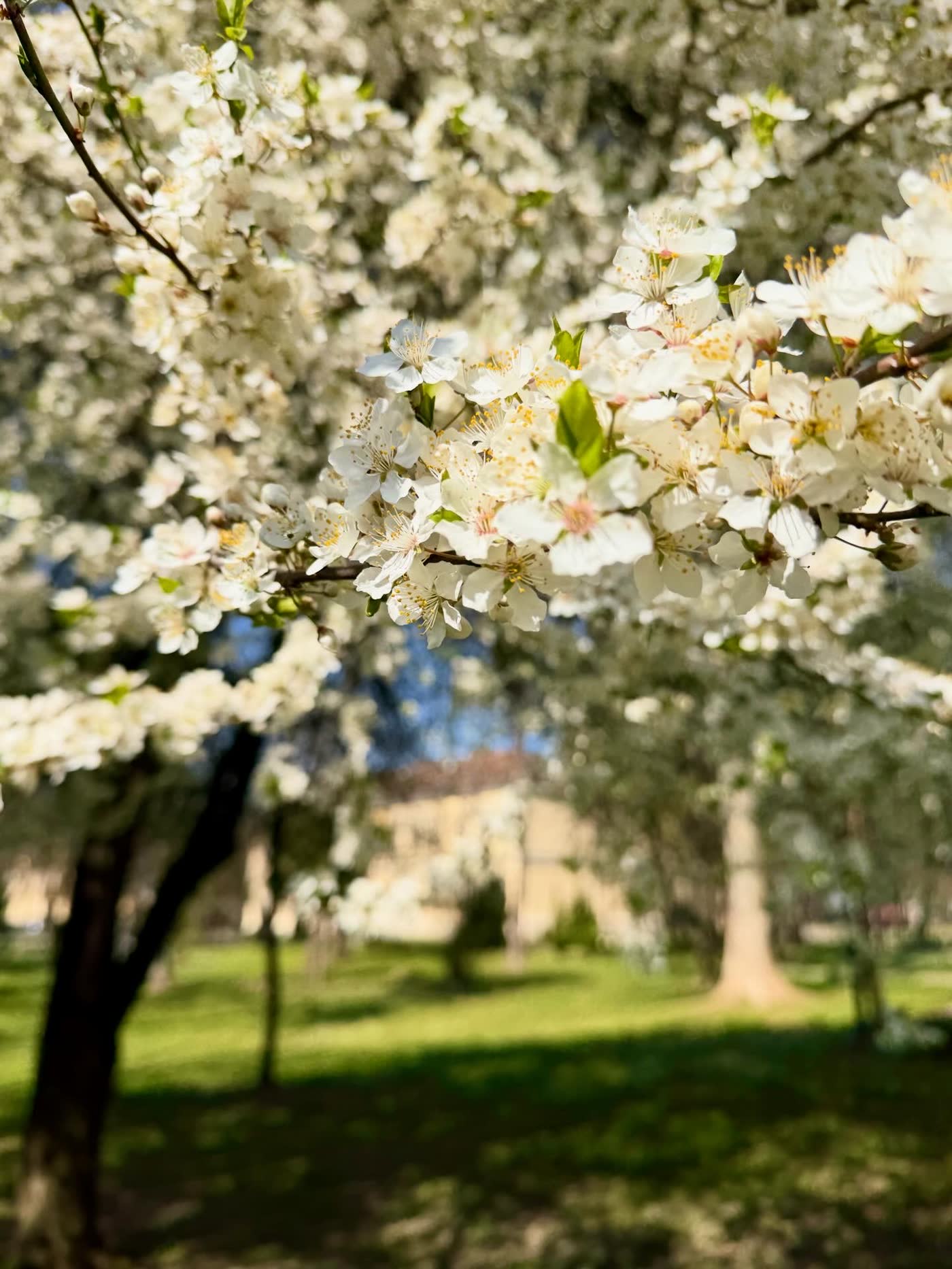
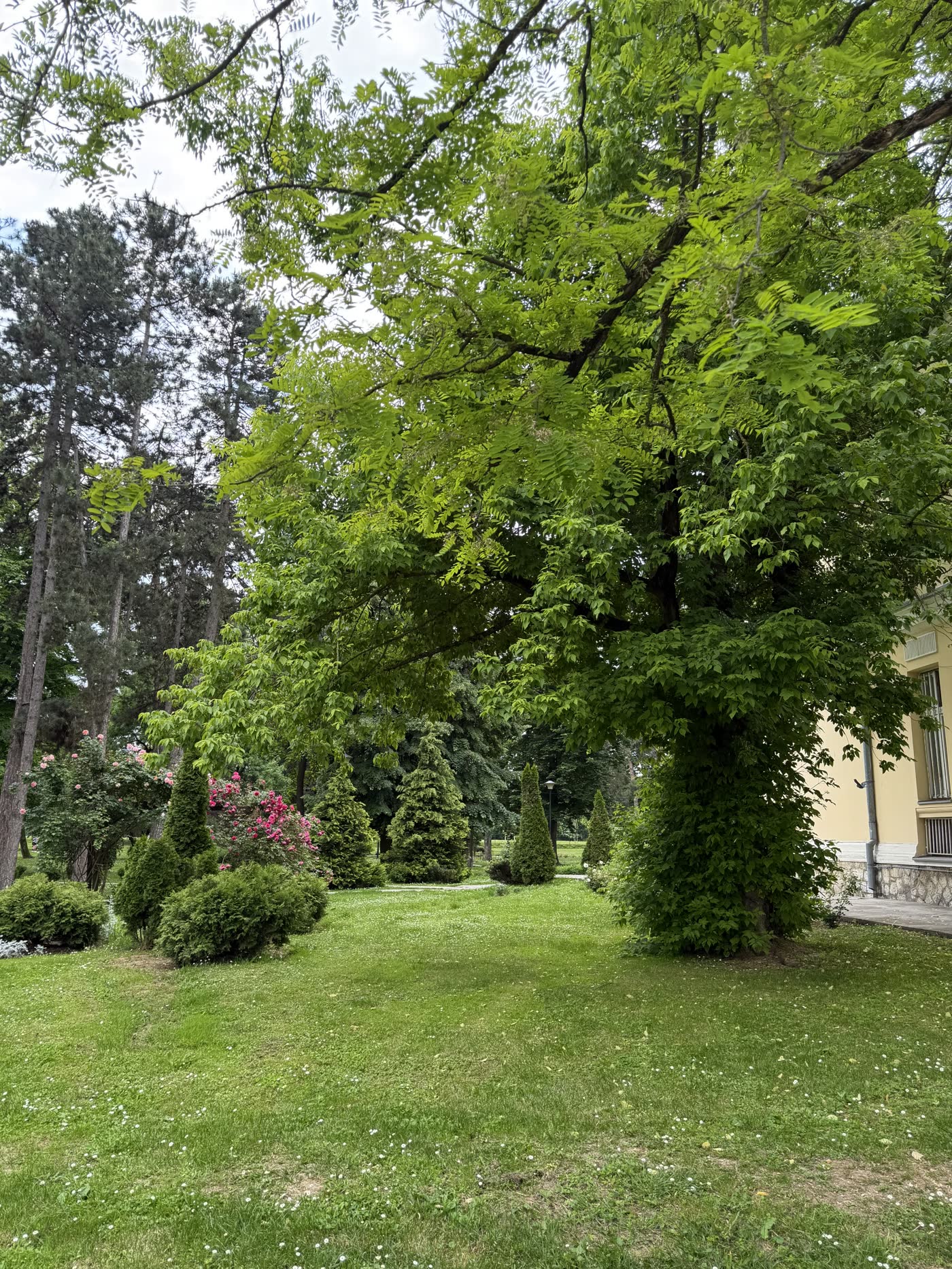
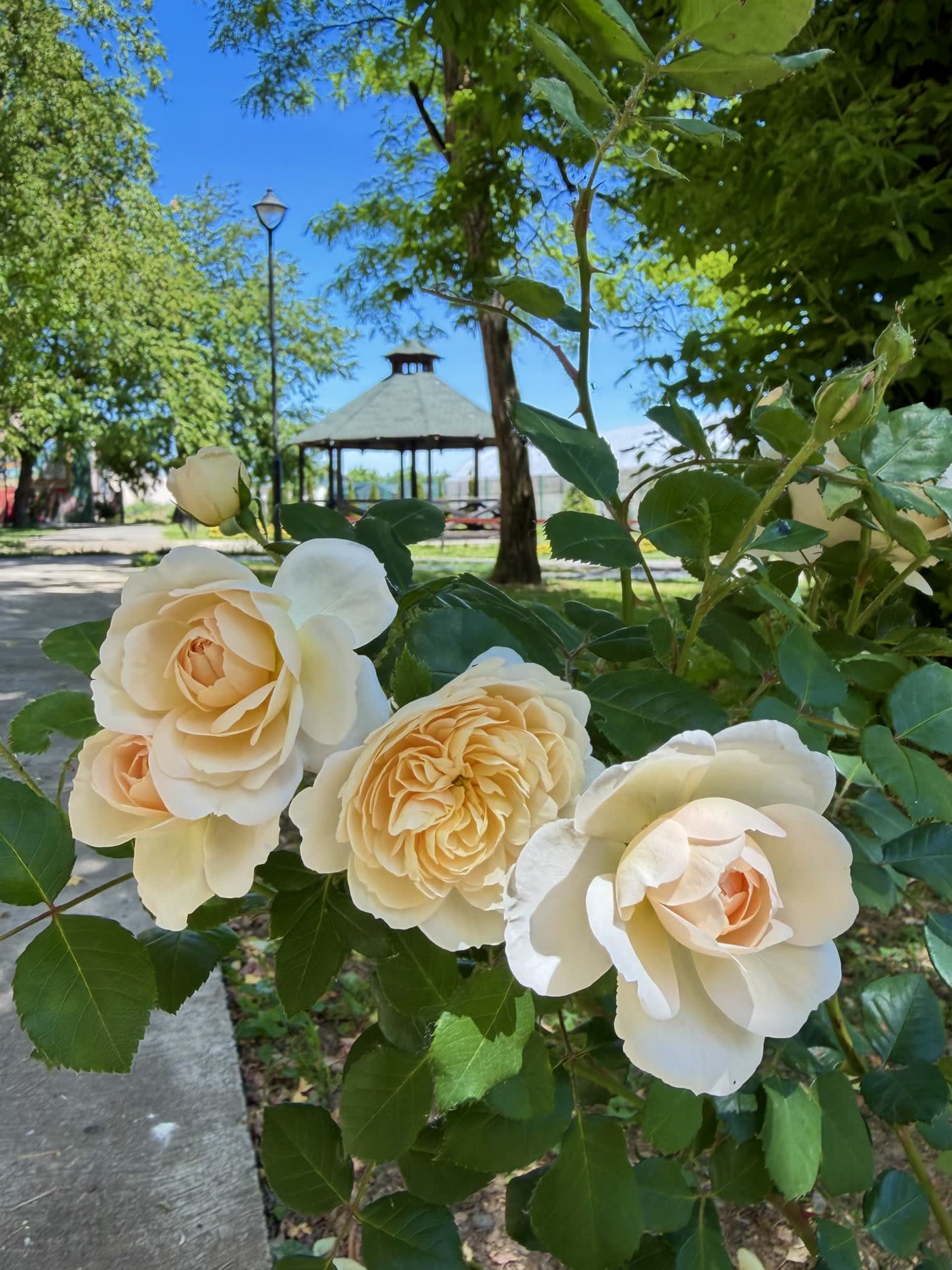
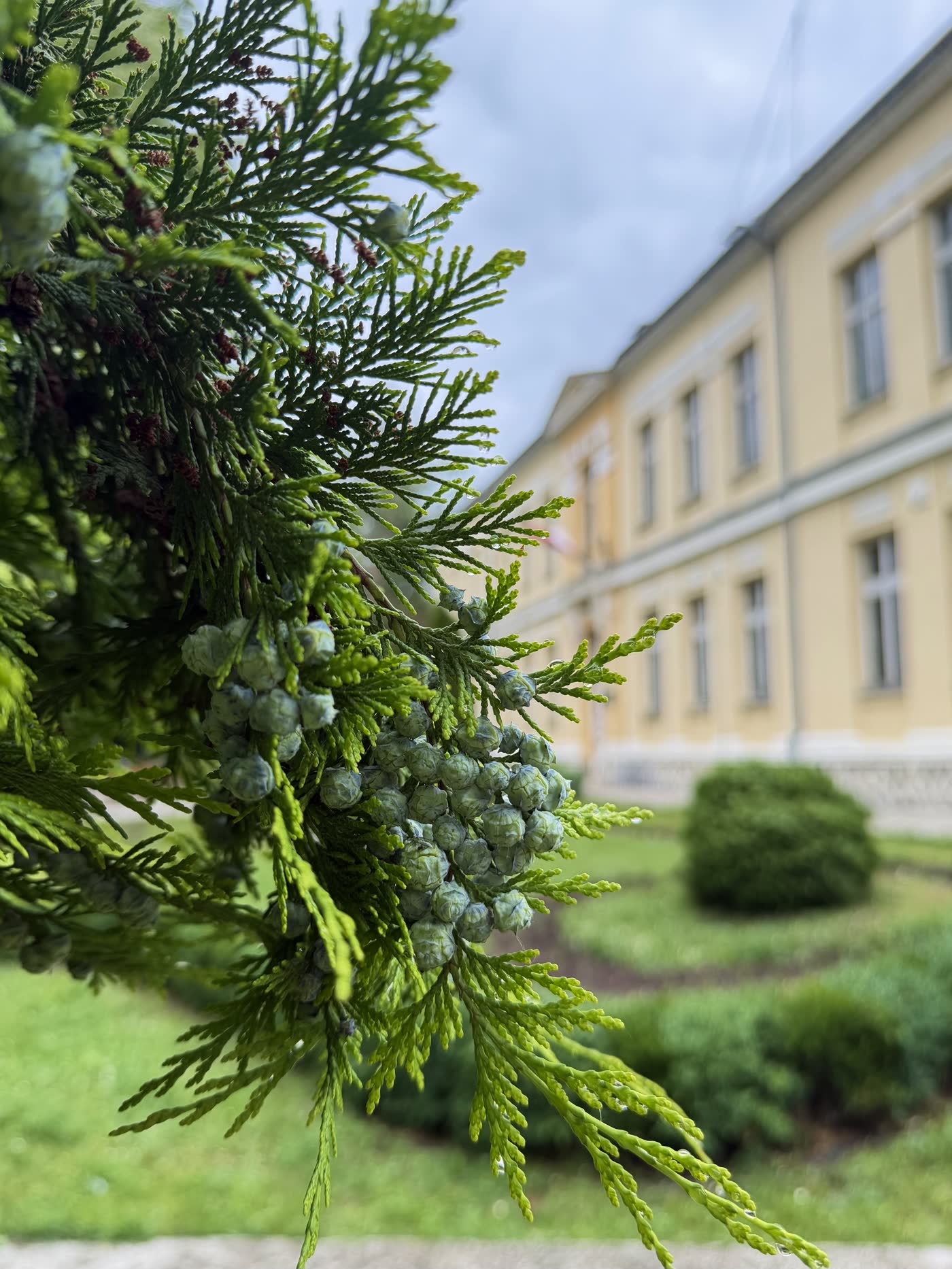
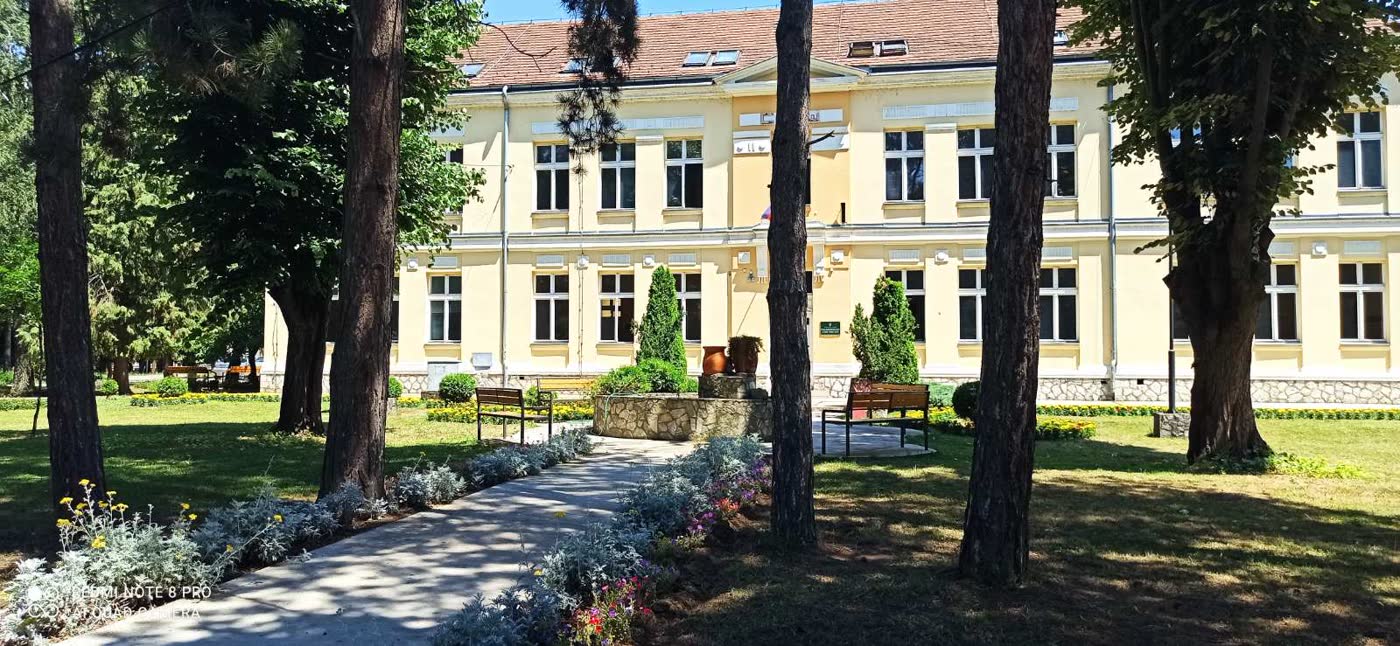
Classes are held in two buildings 200 metres apart; the old one is a protected heritage building. The school has 15 classrooms, two computer labs, physics and veterinary rooms, microbiology, soil and food laboratories, bakery and dairy workshops, a hall, a student restaurant and a library with 6,895 books, surrounded by a 2-hectare park and a mini zoo.
“Knowledge for the future”the school's motto
As one of the oldest agricultural schools in Serbia, our mission is to give students of all programs modern knowledge of agriculture and food processing, quality practice for their future jobs, and preparation for further education and life.
We want to keep modernising teaching and equipping the school and estate, so that our students can match their peers in developed European countries, and to be a place where new talents and ideas are born.
The school farms 94 hectares: 72 ha from the state, 15 ha leased from the Hippodrome and 7 ha around the school. This is where agricultural, veterinary and horticulture practice takes place.
Wheat, maize, soya, barley, oats and alfalfa, for the farm and the school bakery
Old and new barns, a piggery, a sheepfold and open housing for 20 cattle
13 horses, an 800 m² riding hall and four paddocks, led by a professional instructor
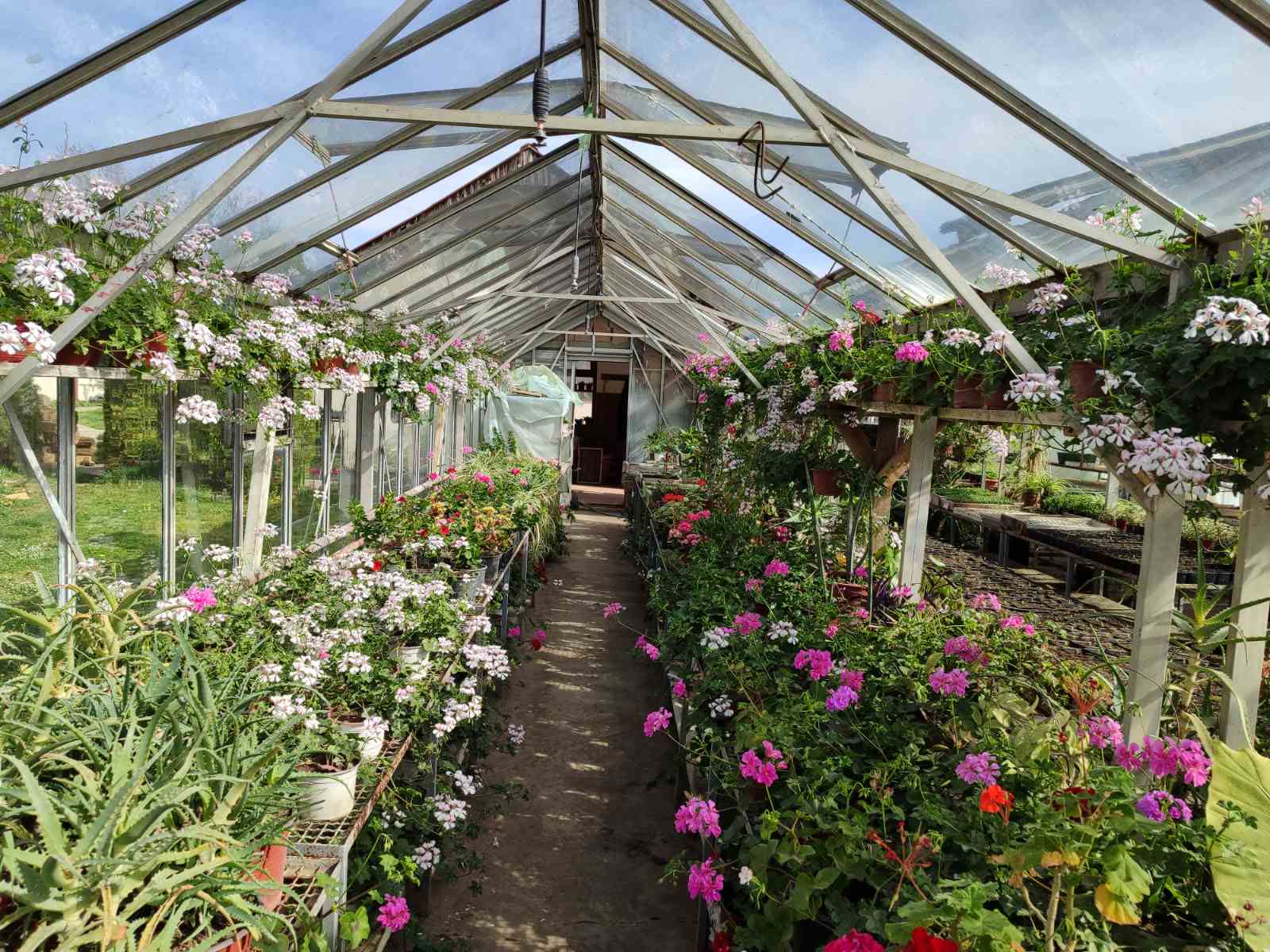
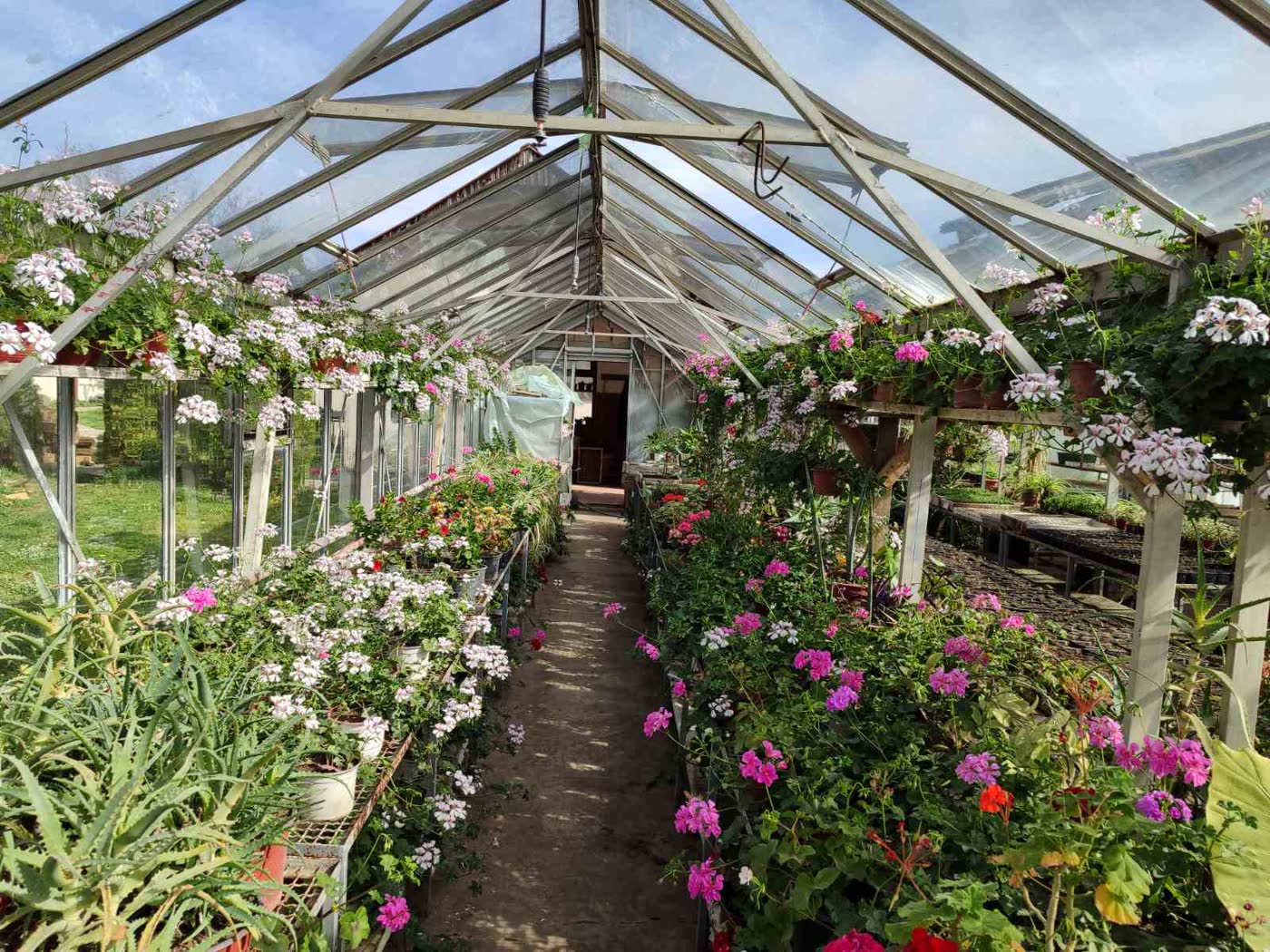
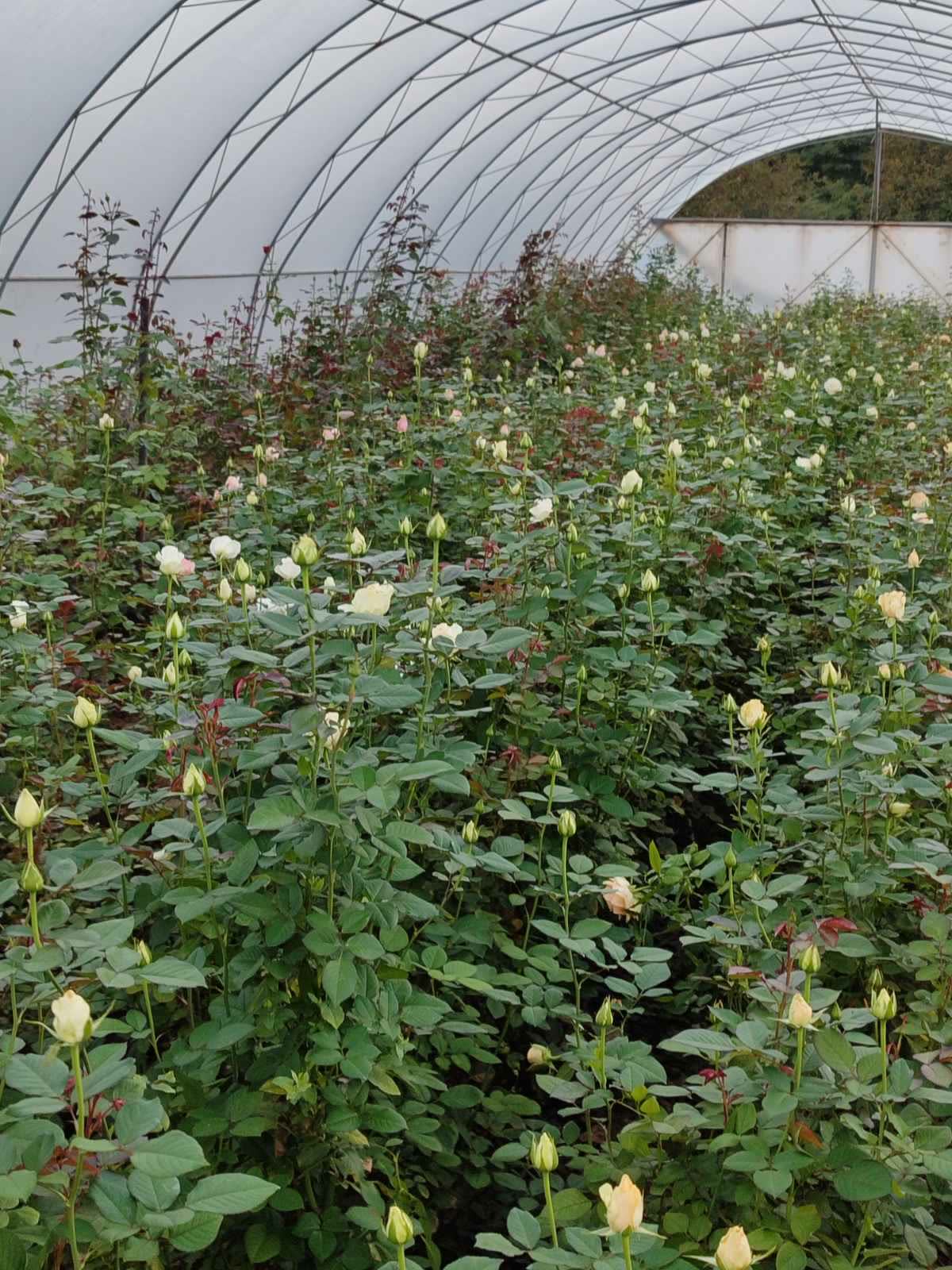
A 175 m² greenhouse, a 600 m² polytunnel and three smaller ones
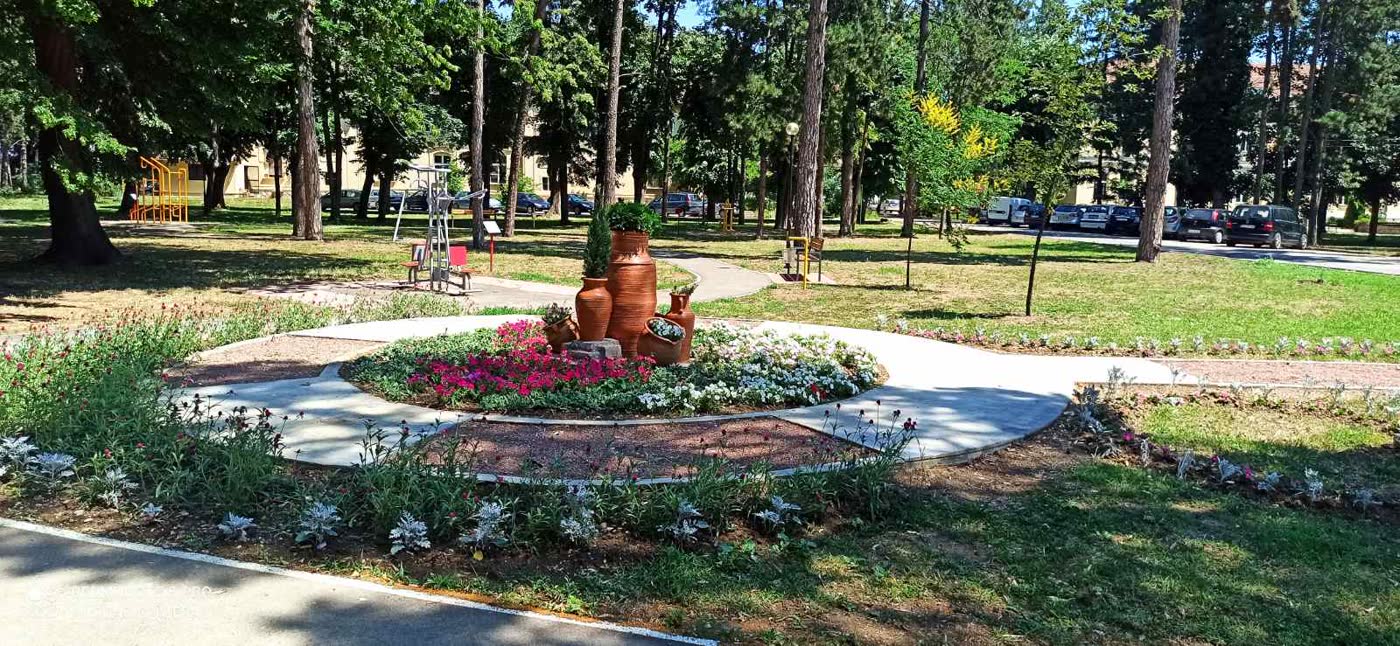
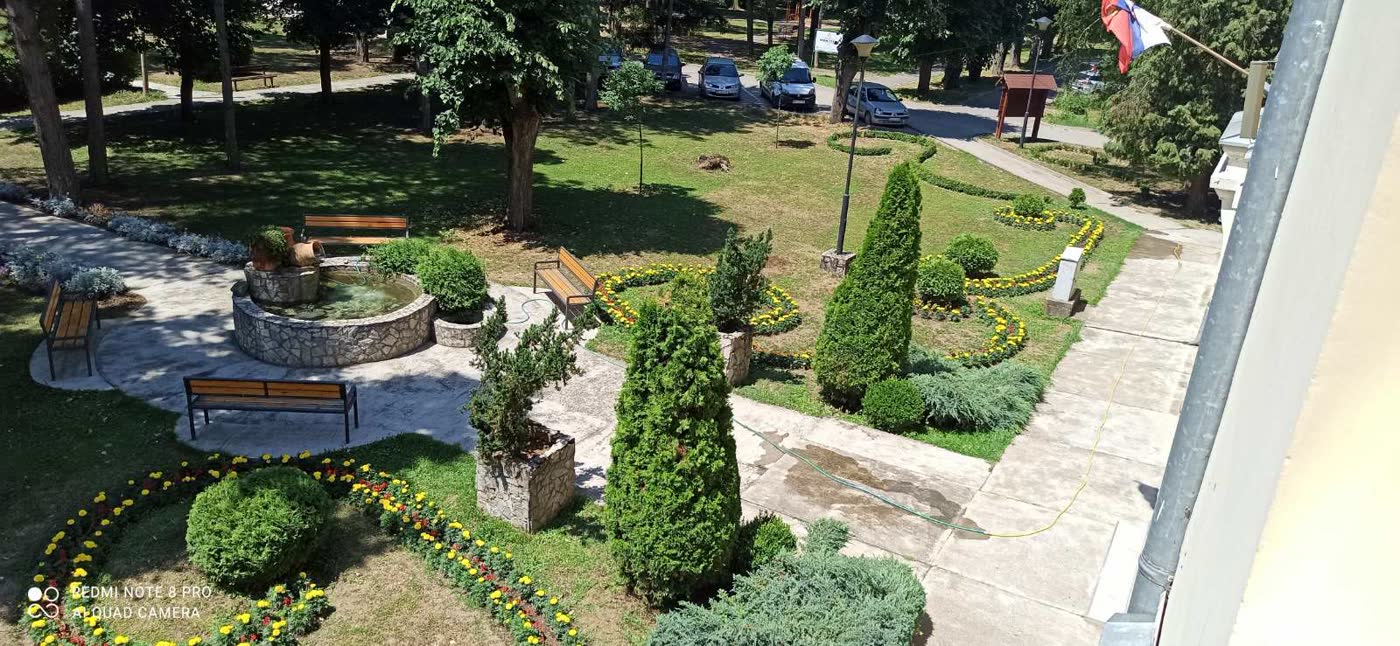
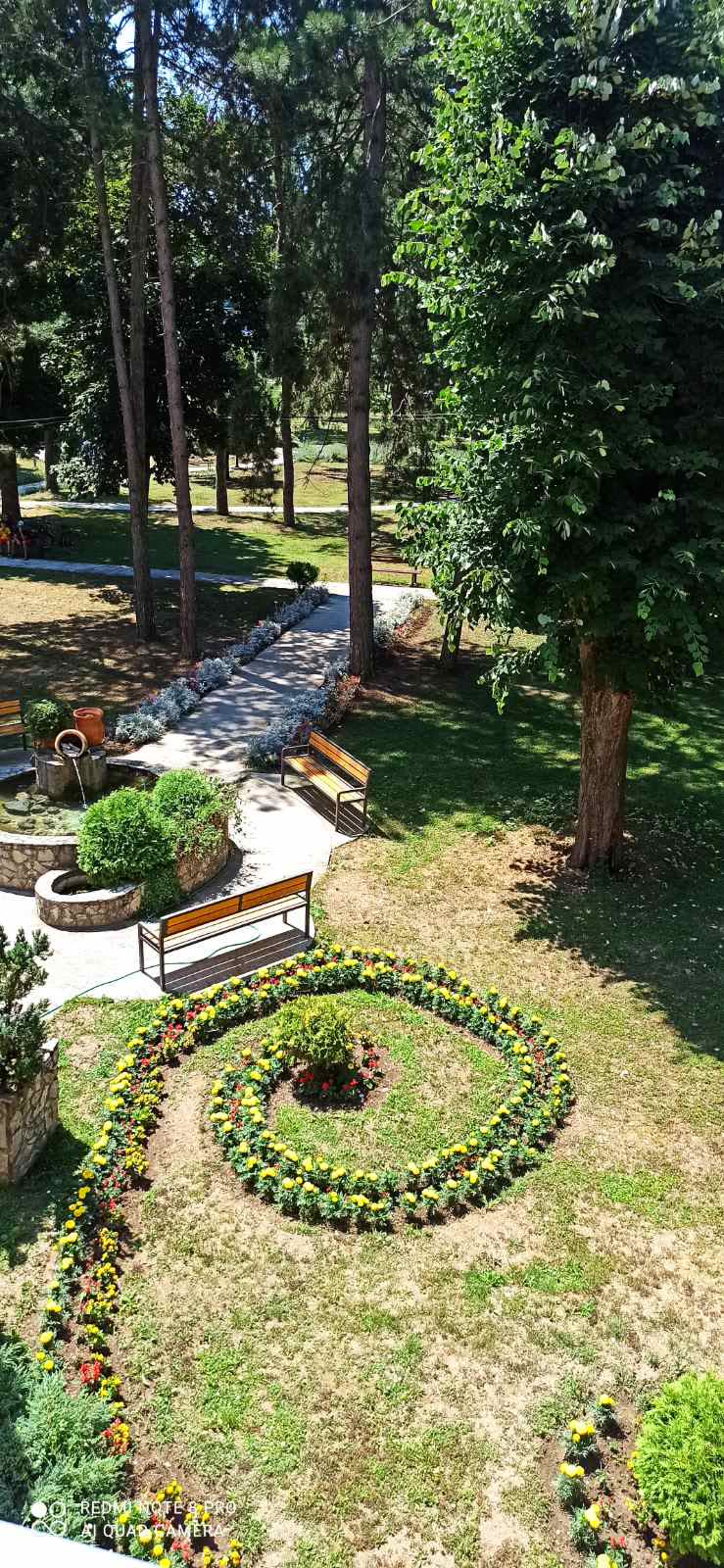
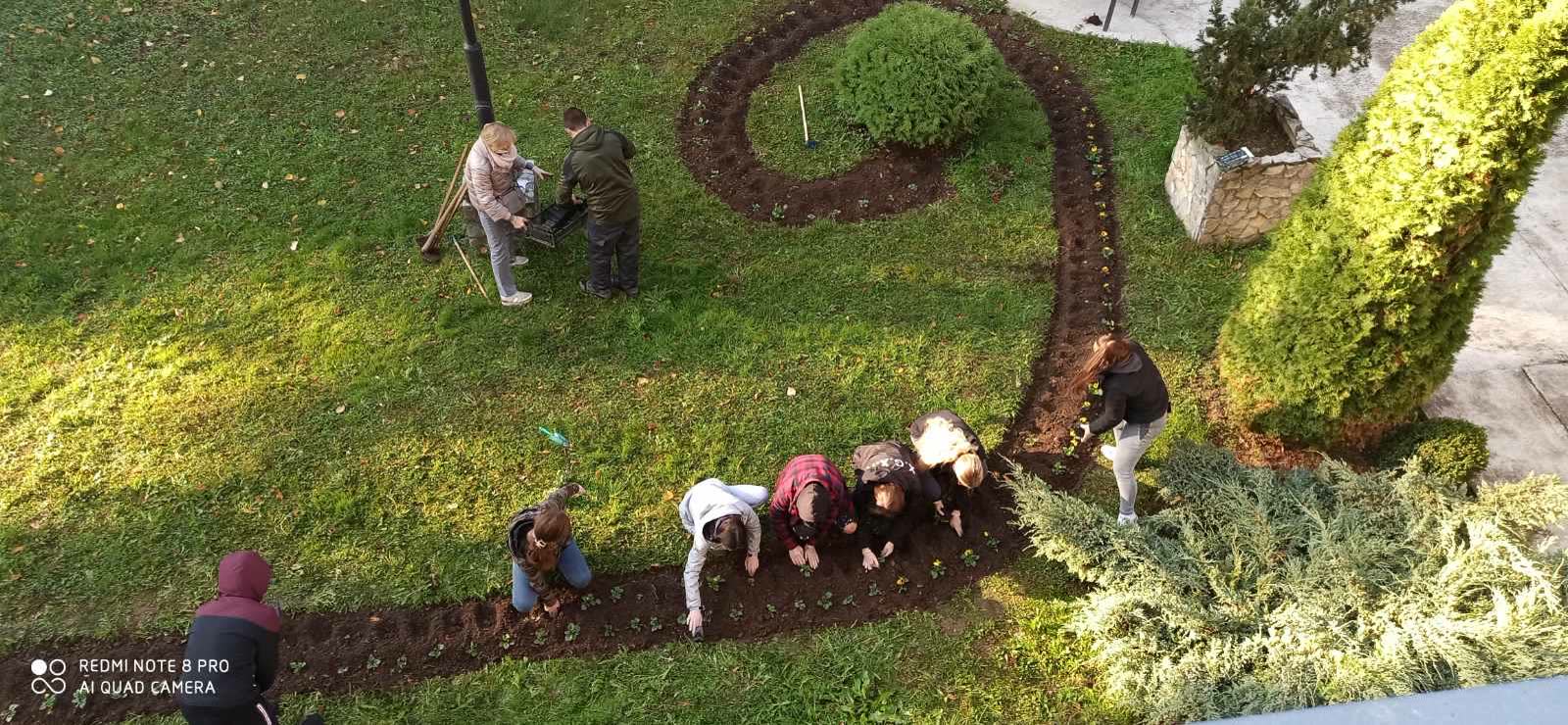
A 1.2 ha horticulture and vegetable trial plot and a 2 ha school park
Opened in 2017; the school's plum and quince brandies have won awards
On the ground floor of the new building
Practice for veterinary technicians
One hectare and about fifteen species: llamas, emus, fallow deer, ponies, pygmy goats, peacocks
Five tractors (Belarus, IMT), a Zmaj combine, balers, seed drills and 16 implements
The governing body with nine members: three each from staff, parents and the local government, appointed by the City Assembly of Šabac.
The school's advisory body; it proposes parent members of the school board.
Theory and practice teachers, tutors, counsellors and the practical training coordinator.
The dormitory's professional body, responsible for tutoring.
Class councils, subject councils and planning teams.
Teams for protection from violence, crisis situations, inclusive education, quality, professional development, projects and school promotion.
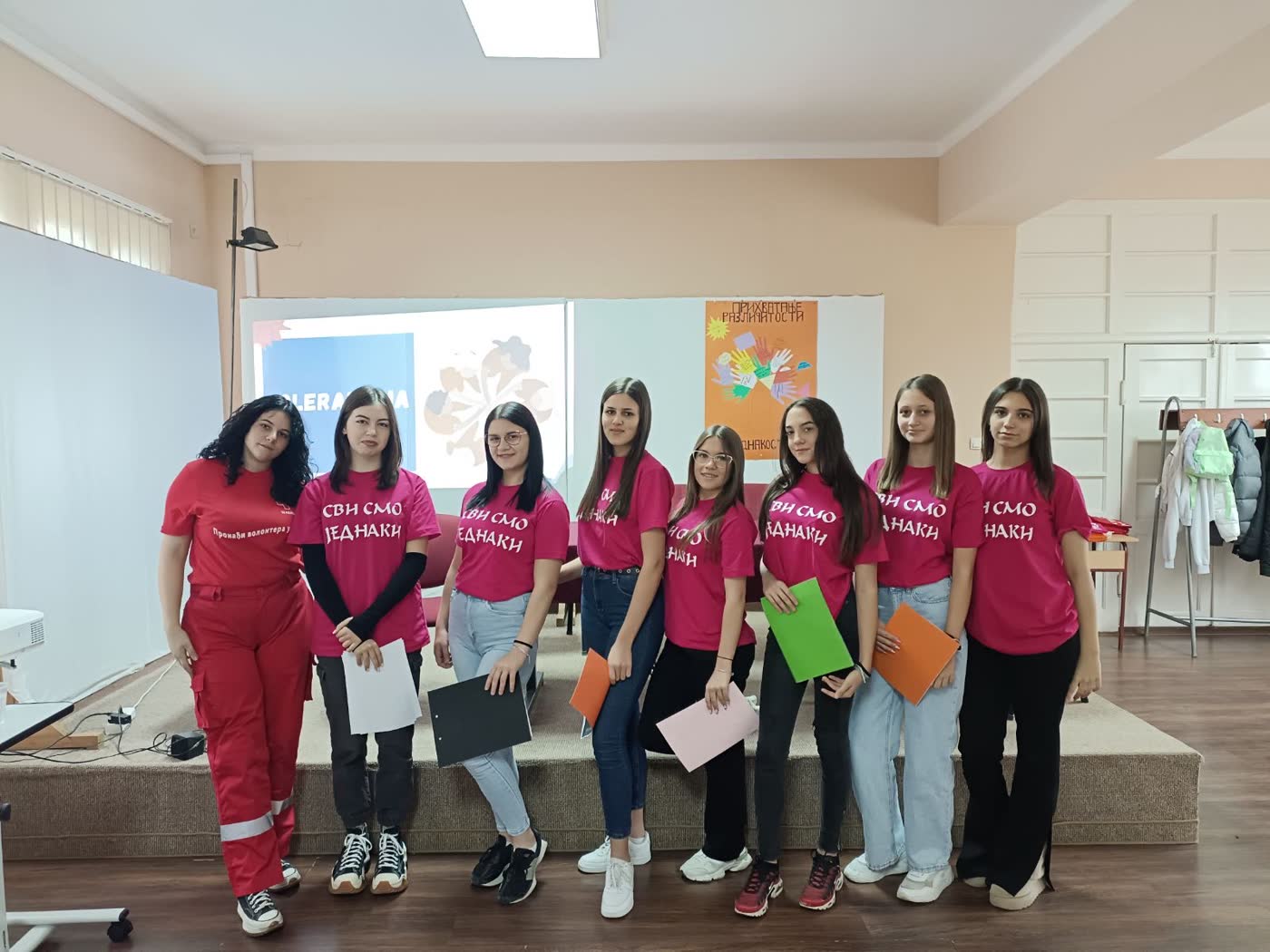
The student parliament promotes democratic relations, dialogue, tolerance and solidarity, works with the teachers' council, school board and parents' council, and starts student initiatives.
We took part in “Young people listen”, an EU-funded project for student parliaments in 16 schools; our students presented their initiative at Europe House in Belgrade.
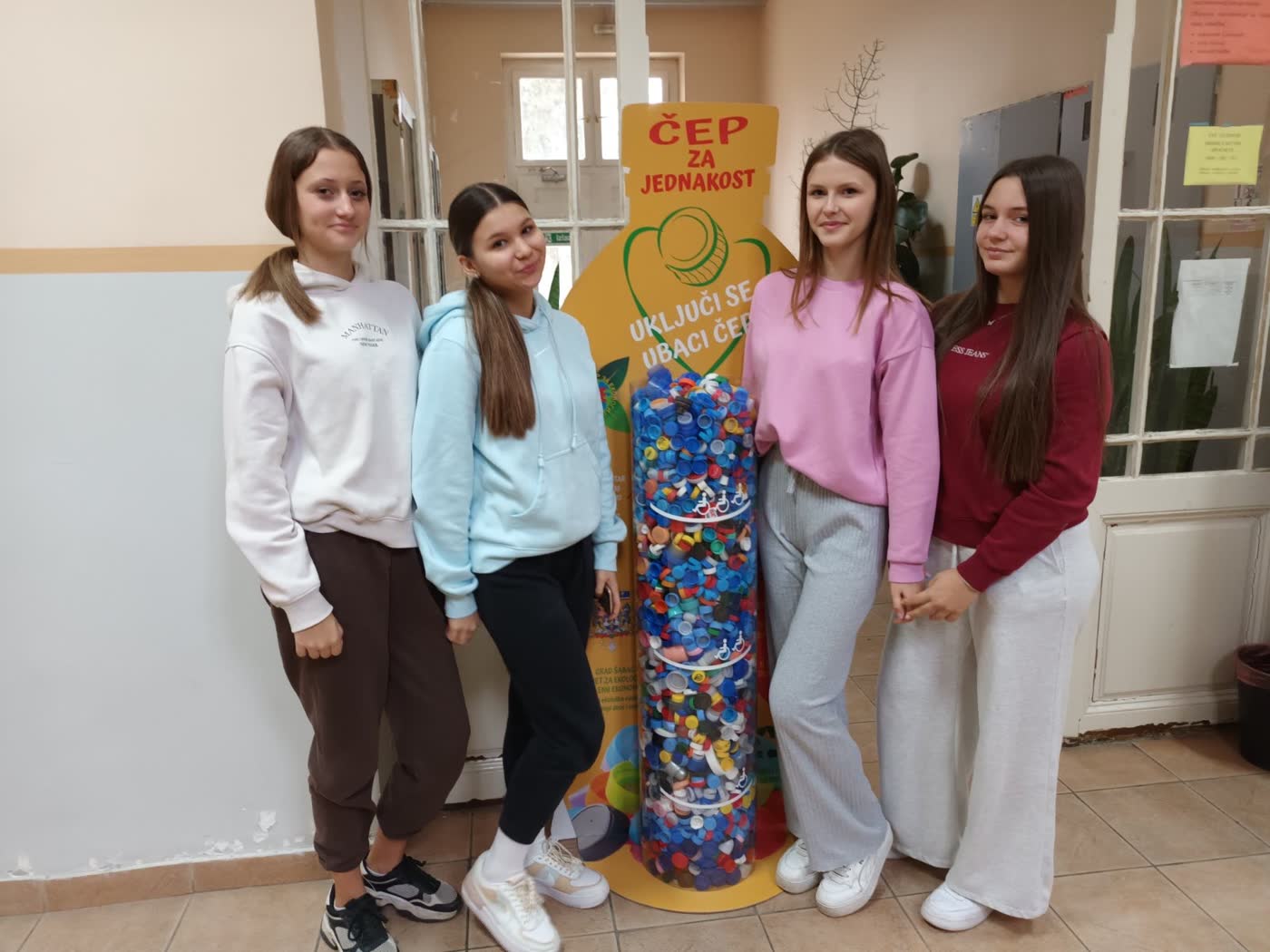
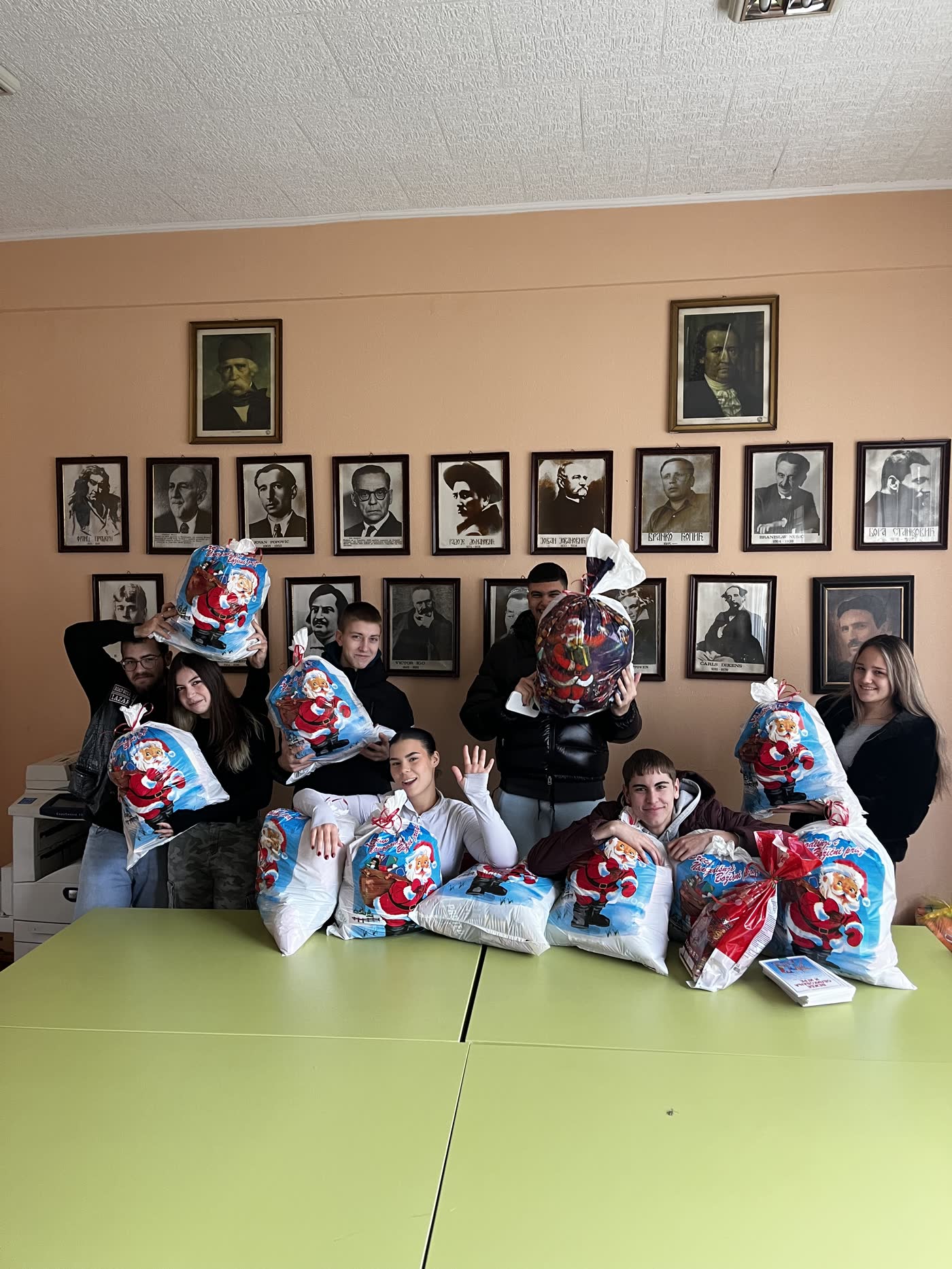
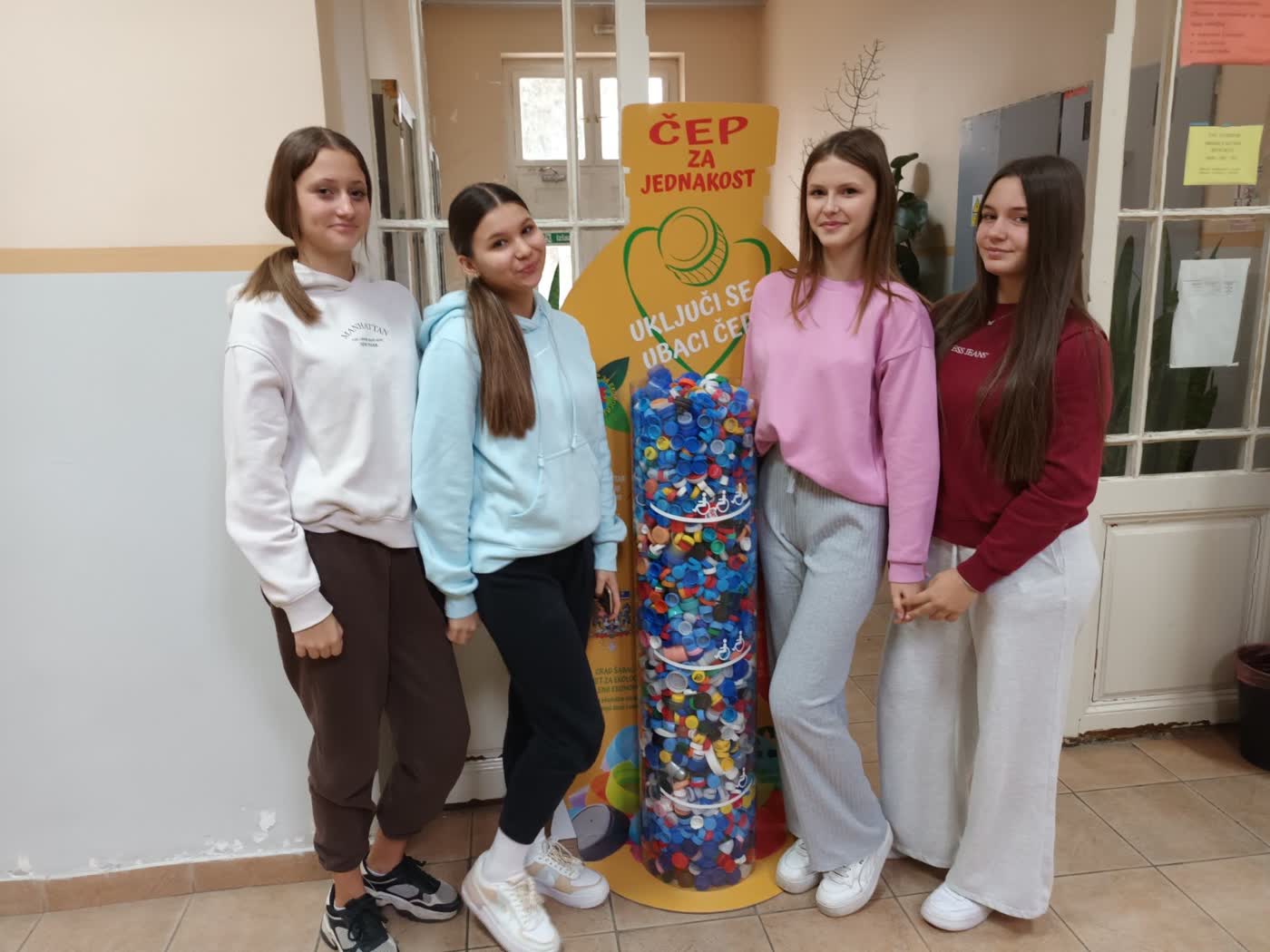
We work with local charities collecting bottle caps, clothes, school supplies and New Year gifts.
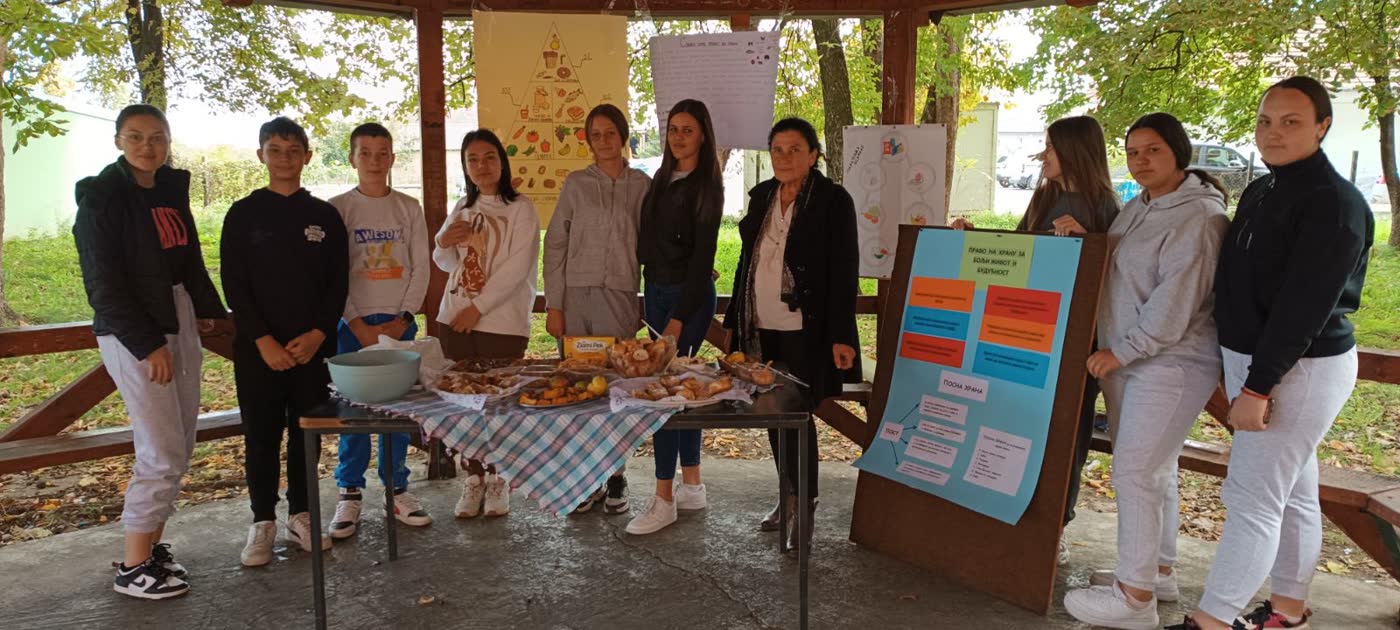
Children's Week, International Day for Tolerance, Earth Day and more.
Students decide on events such as the prom, propose improvements and take part in debates, such as one with Serbia's youth delegates to the UN.
Parliament mentors: Aleksandra S. Marković, Slađana Ignjatović and Dragana Spajić.
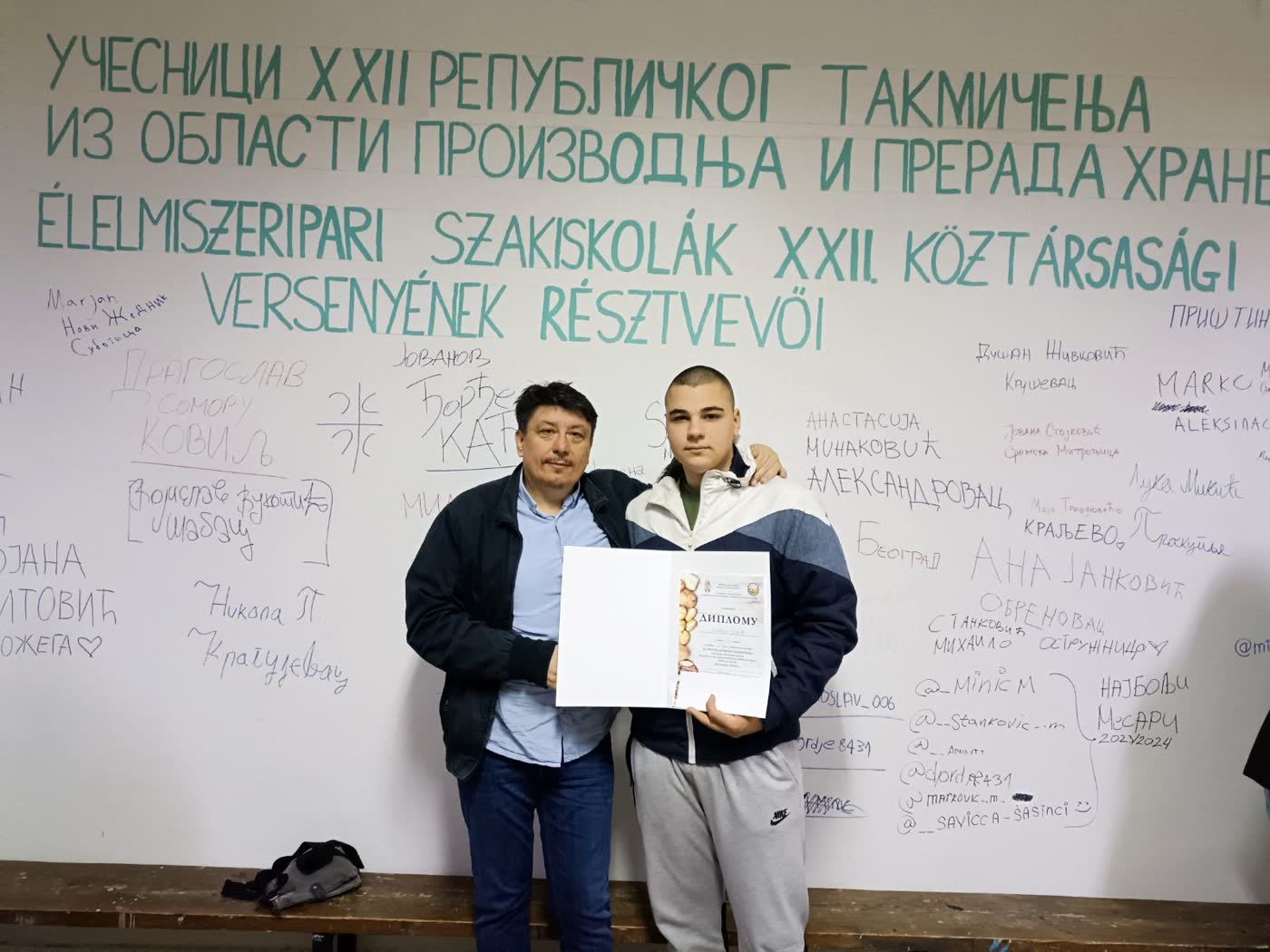
Numerous awards at national and international competitions speak for the school's work.
The highest honour in the school's history, for its contribution to education in Serbia.
As Serbia's school agricultural team, students placed 2nd in Portugal, 5th in Slovakia and 7th in Germany.
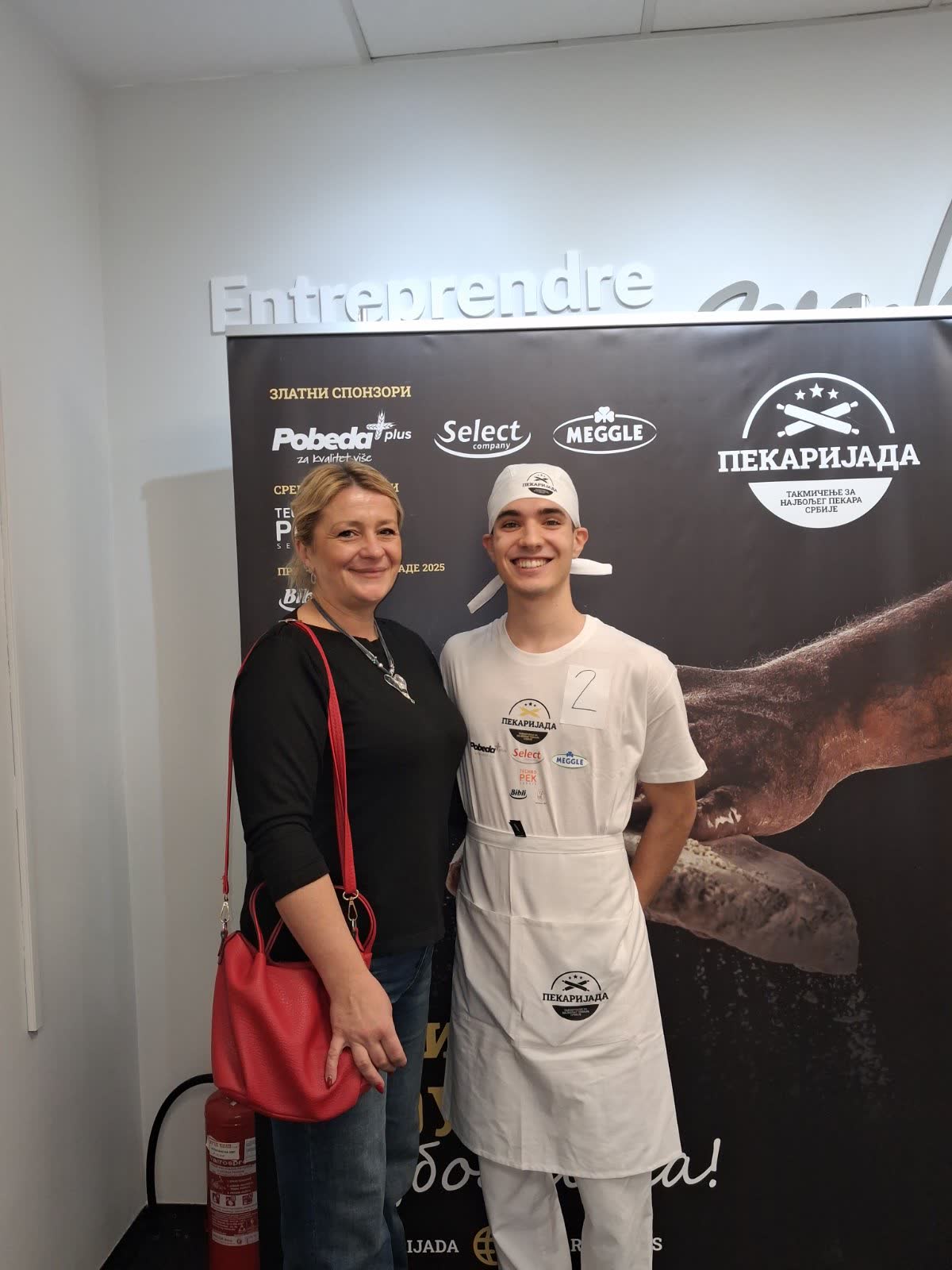
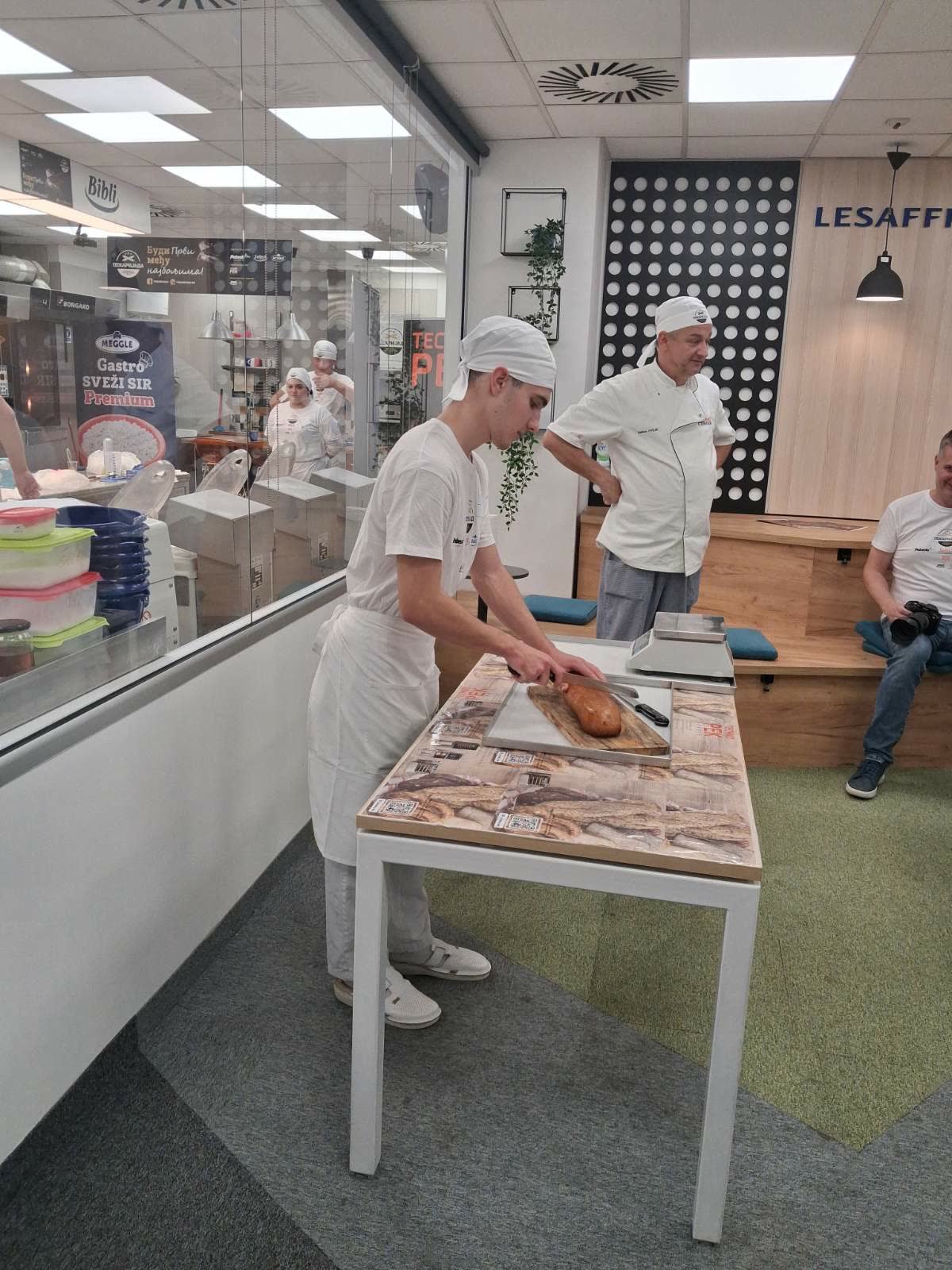
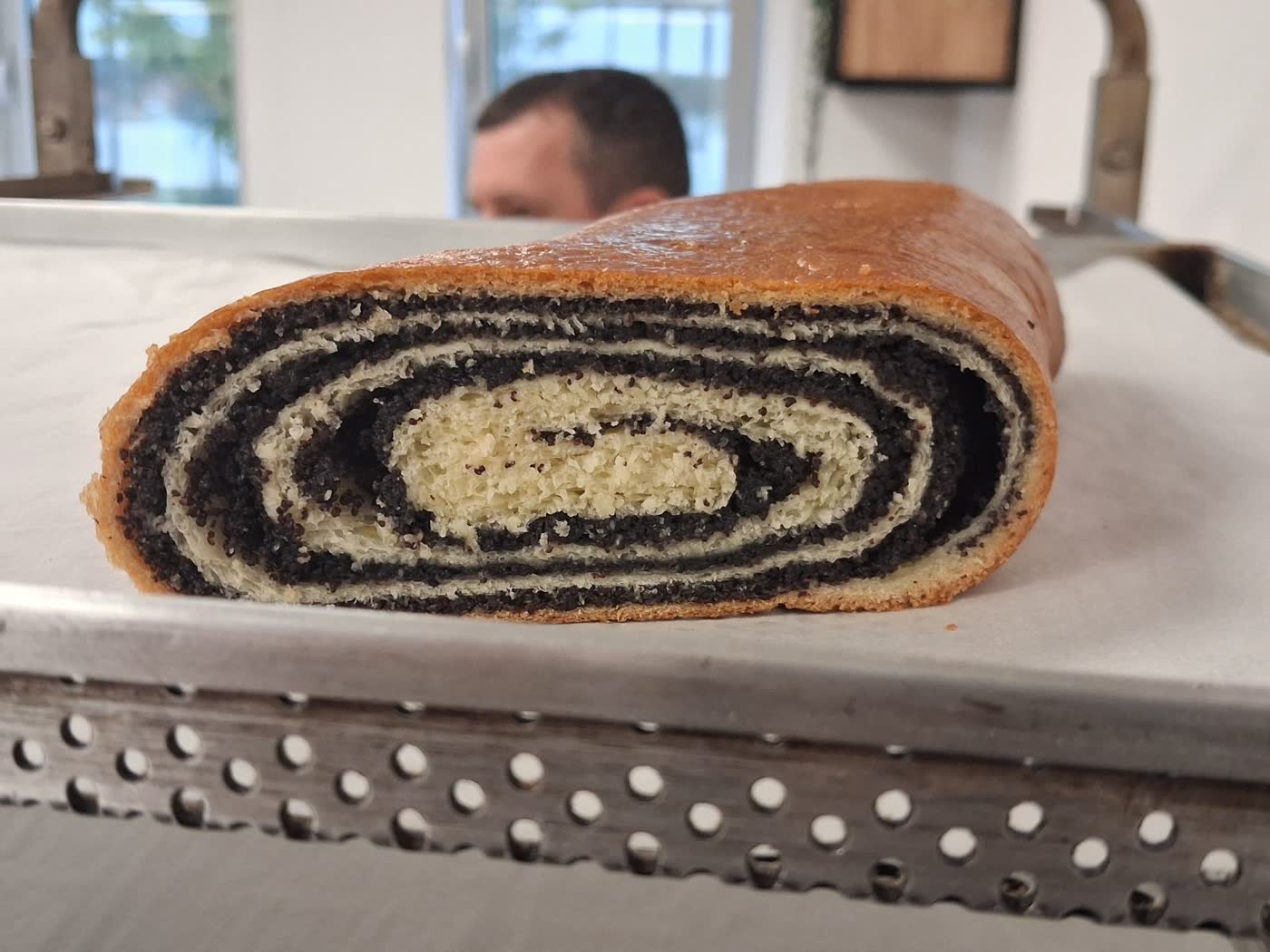
At the national competition, baker David Krstić placed 4th with the best practical work.
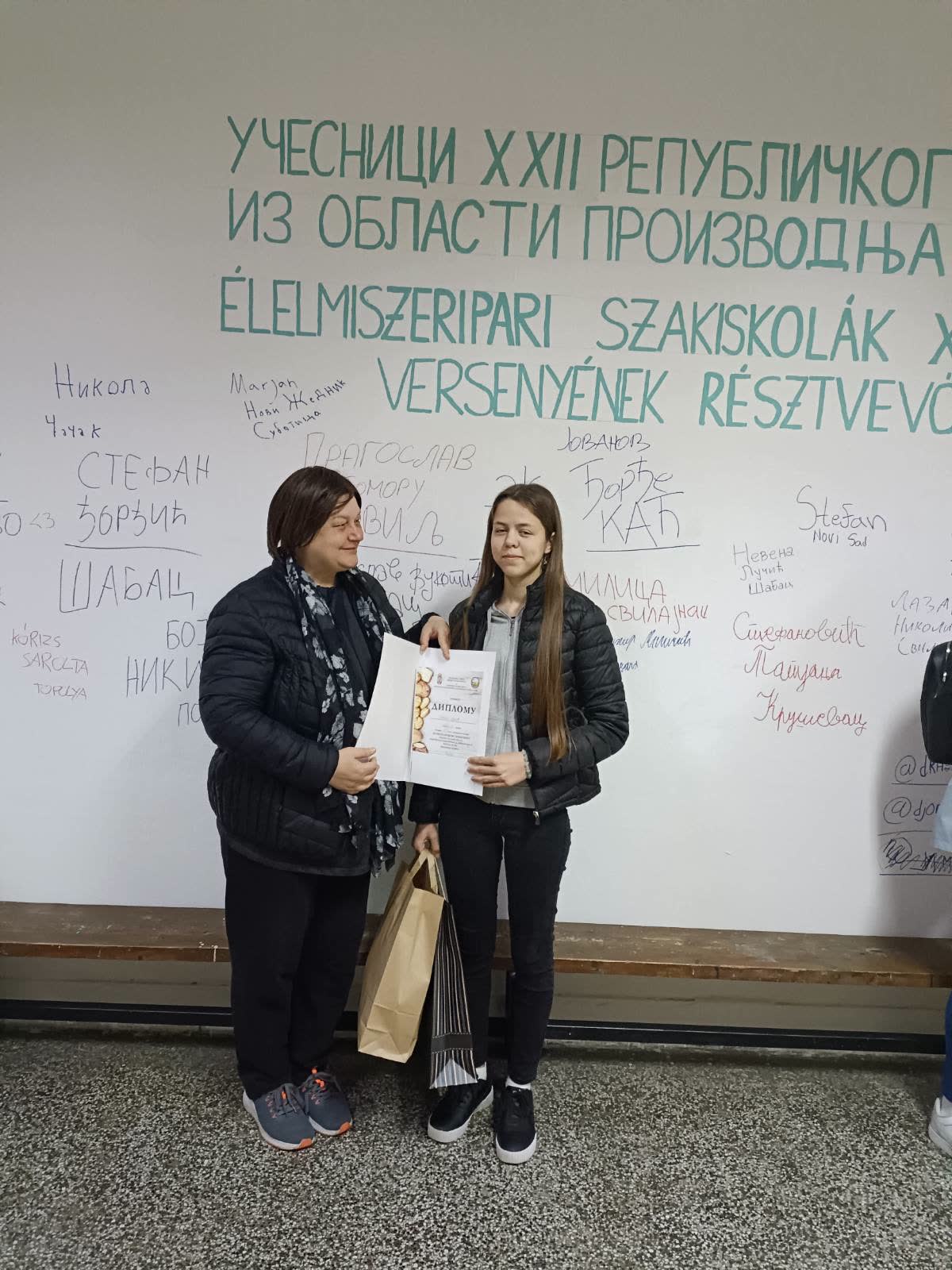
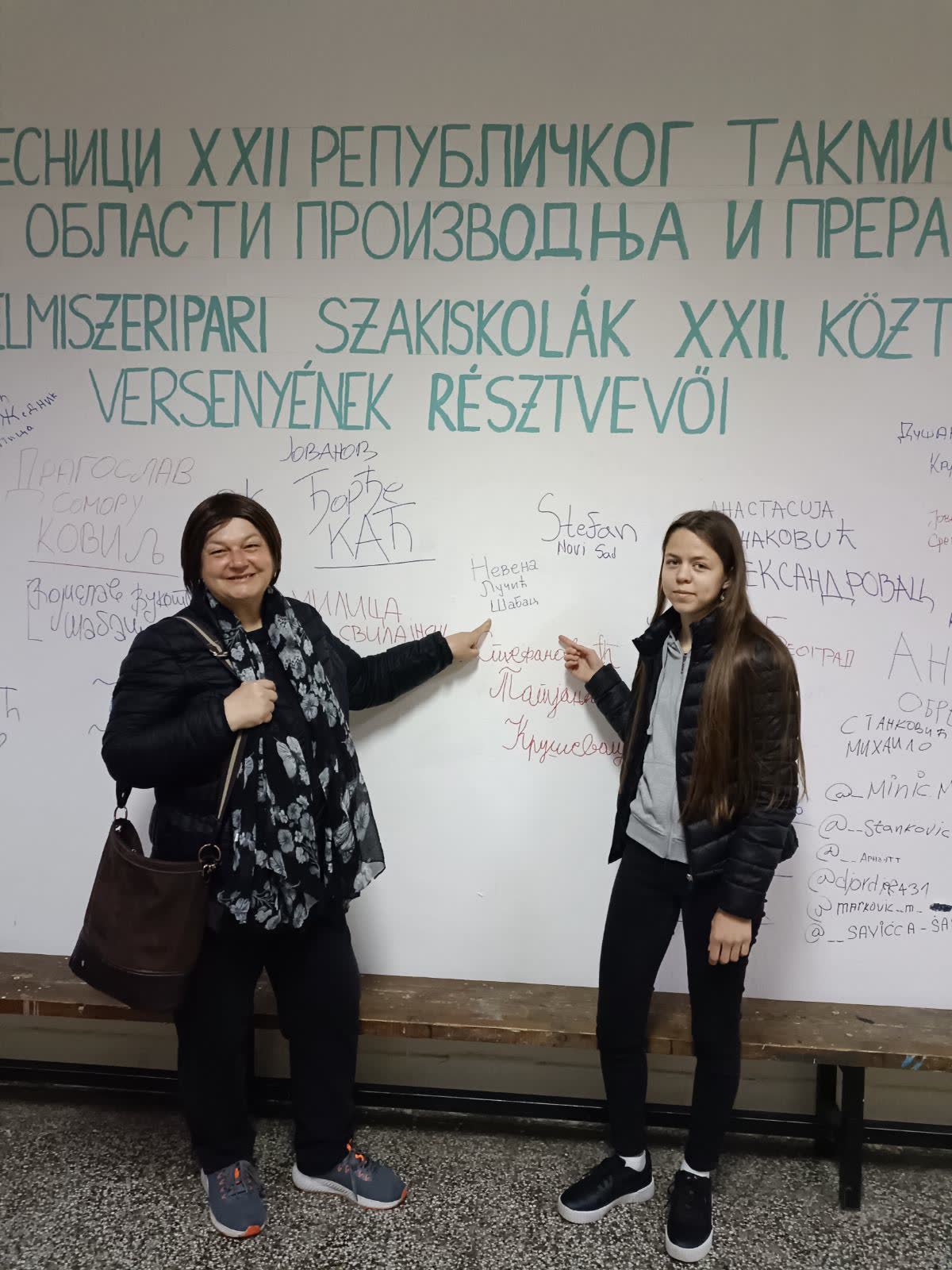
Students competed at the 25th national veterinary competition in Surdulica and the agriculture competition in Pančevo.
Inter-dormitory results are on the Dormitory page. Domijade →
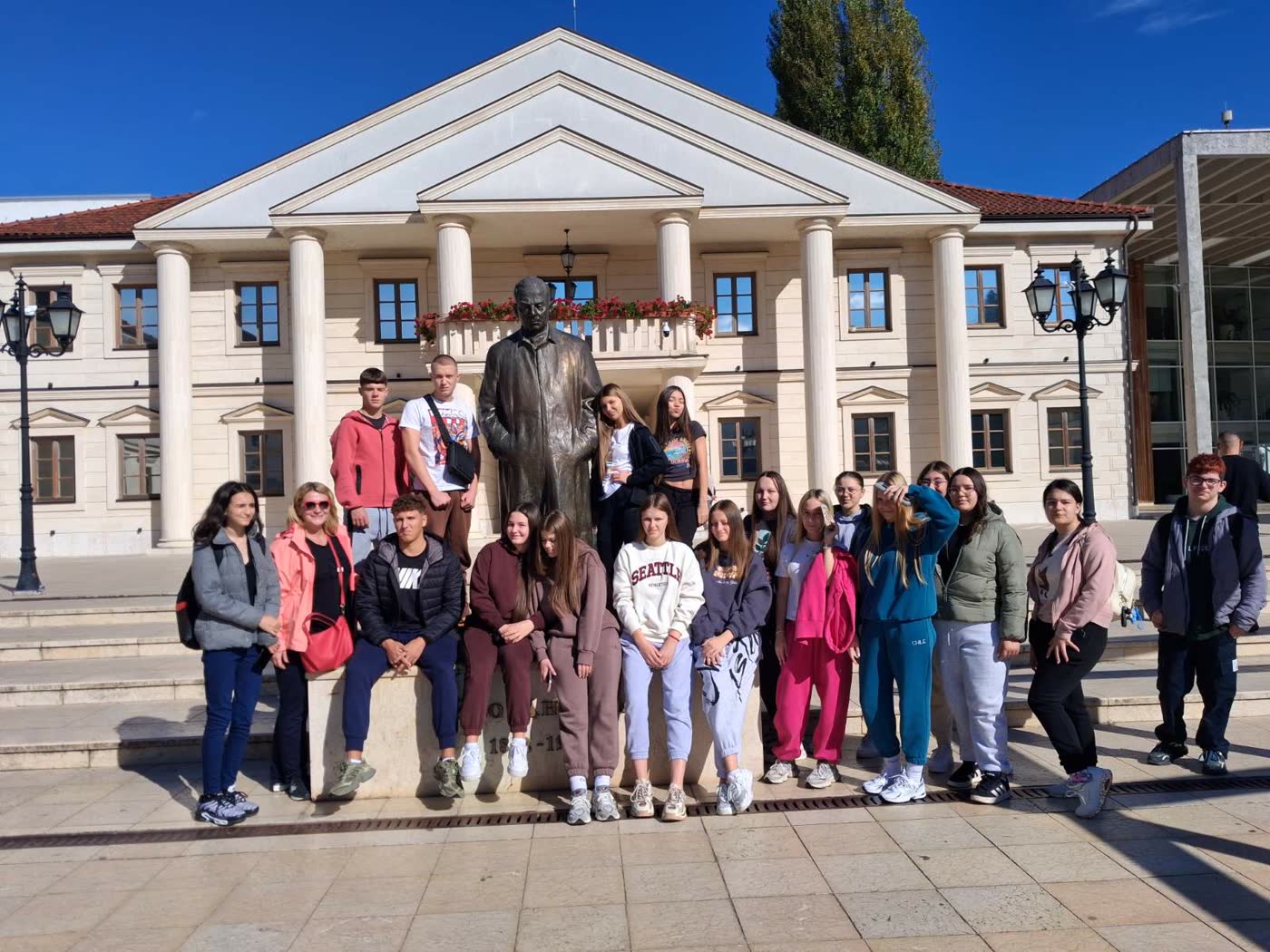
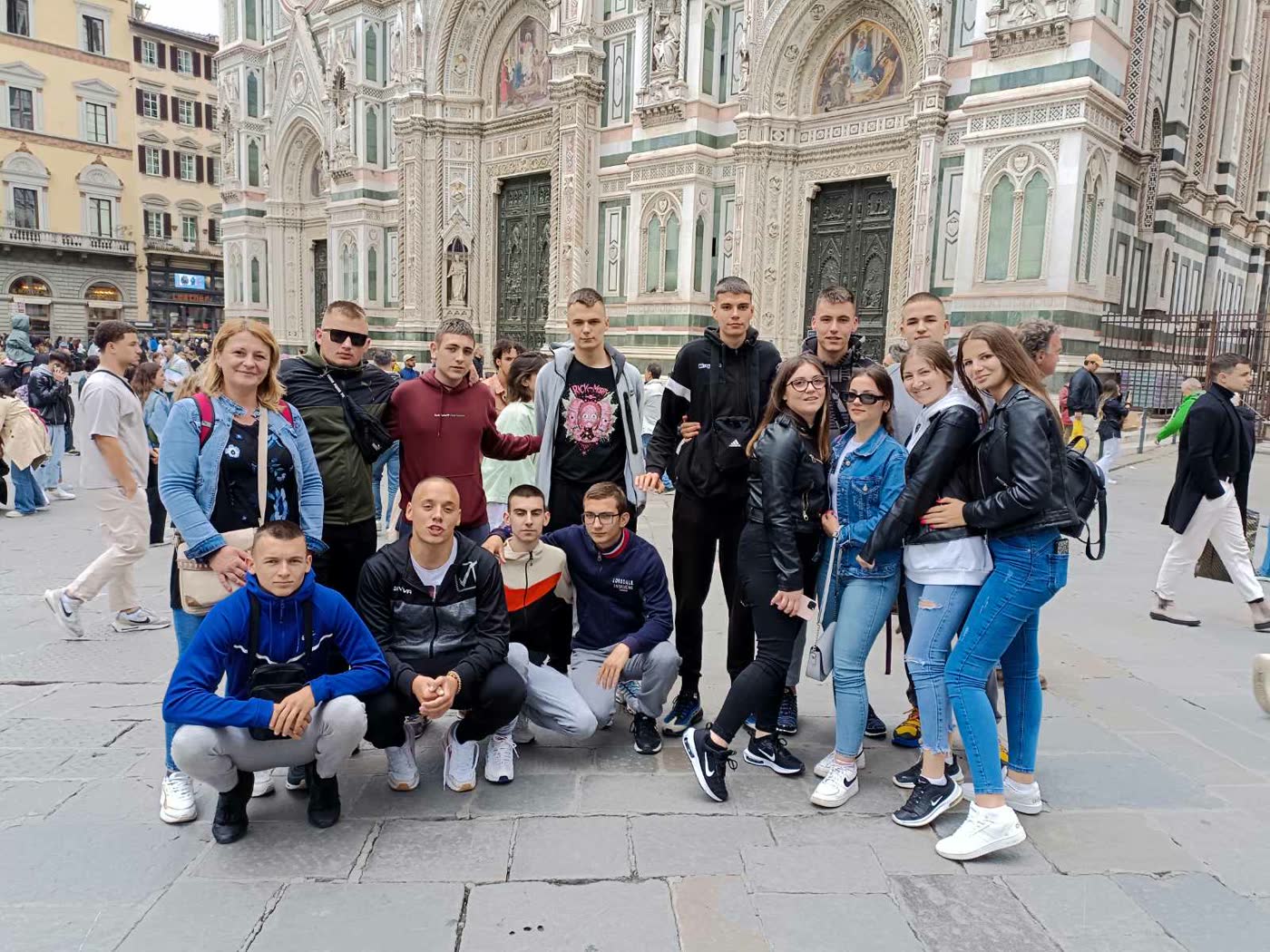
The school holds a multi-year Erasmus+ accreditation and runs projects with schools across the region and Europe; students take part in exchanges in Bosnia and Herzegovina, Croatia, Slovenia, Slovakia, France and Greece.
With the Association of Agricultural Schools of Serbia, the school hosted the EUROPEA General Assembly: about 80 delegates from 18 countries and an Erasmus+ project on green vocational education.
With the Šabac agricultural advisory service, the school ran a project on climate resilience, with irrigation and drainage machinery demonstrations.
At the Šabac college conference the school showed its award-winning brandies, juices, liqueurs, preserves, honey products and flower arrangements.
Students visit the city water laboratory, the Science Park, the Cultural Centre and the Youth Office.
The estate's riding school has 13 horses, an 800 m² hall and four paddocks, open to our students and to the public.